
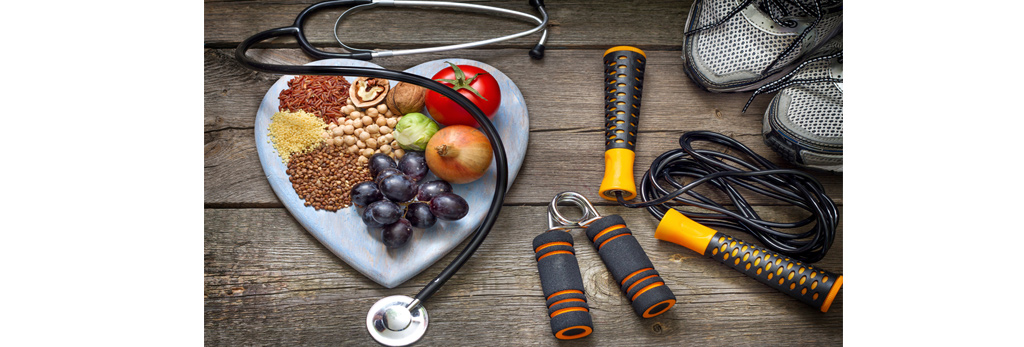
Exercising more and eating healthier will improve circulation to your legs.
While genetics, age, pregnancy, and leg trauma are all risk factors for varicose veins, obesity and lack of exercise are also two top causes.
Being overweight can put extra pressure on your veins; standing or sitting for long periods of time causes your veins to work harder to pump blood to your heart. Obesity can also mask the outward appearance of varicose veins, delaying potential treatment.
Doing physical activities, specifically leg exercises, helps push blood toward the heart and tones the muscles. Eating healthy can also help you lose weight, which will ease pressure on the veins.
Become Your Own Chef
While cupcakes or fries may be tempting, you should avoid junk and fast foods. Instead, buy some cookbooks or look up some recipes online and try making your own healthy and nutritious meals. Homemade food is typically healthier than fast food.
Eat a diet that is high in fiber and vitamins and low in salt. Include fruits, oats, salads, eggs, nuts, and fish, among several other items.
Get Physical
Studies and medical websites have various recommended exercise times, ranging from 20 to 60 minutes daily. But they all suggest various activities like walking, bicycling, and swimming to help activate your leg muscles and circulate blood.
If you can’t get out and walk daily, you can try some exercises in the comfort of your living room. For example, try 20 to 30 standing calf raises, where you raise yourself up on your toes and lower yourself back down. You can also work your thigh muscles by going from sitting in a chair to standing 20 to 30 times.
If you do sit or stand for long periods of time, make sure to take a break every 30 minutes to move around, suggests the Office of Women’s Health. Moving will help the blood circulate back to your heart.
Do not overdo yourself though. Heavy lifting could increase the pressure on your veins. Talk to your doctor to learn if you should lift weights and how much.
Add Motivation
Developing a healthy lifestyle won’t happen overnight, and that could be discouraging at times. Find ways to stay motivated to maintain your healthy lifestyle. That could mean rewarding yourself with your favorite treat once a week if you meet your eating goals or going to the movies one night if you walked every night for two weeks.
Monitoring your food and exercise in a tracking app can also be motivational and useful. Some apps monitor your progress over a period of time, which would show you how far you have come on your journey.

Staying mobile after vein treatment is essential for preventing complications like deep vein thrombosis. Obesity also exacerbates symptoms. For some patients, it may be necessary to lose weight before undergoing vein treatment.
Starting a diet and exercise plan can be complicated, and you should consult your primary physician, but here are a few simple healthy living tips that you may not know about.
Plates > Pyramid
Did you know that the food pyramid we learned about as kids is no longer the most recommended way to divide up your meals? The U.S. Department of Agriculture has launched “MyPlate” to help educate people about the proper portion sizes for healthy eating. Fruits and vegetables should make up half of your plate, and at least half of the grains should be whole grain. For more detailed information, visit ChooseMyPlate.gov.
Sneaky Exercise
No time for a dedicated workout? Try slipping 10-minute bursts of exercise into your daily routine (less than 10 minutes won’t have the same positive effect). Force yourself to take the stairs instead of the elevator at all times. Don’t waste gas looking for a good parking spot—park in the farthest corner of the lot or structure. If you take public transit, try getting off the train or bus one stop earlier than usual and walking the rest of the way.
Sweet Dreams
Losing weight in your sleep sounds too good to be true, but studies have shown that sleep deprivation produces a chemical called ghrelin, which stimulates hunger and makes you eat more while awake. While sleeping, your body produces leptin, which suppresses hunger. A 2010 study conducted by the University of Chicago and published in the “Annals of Internal Medicine” found that dieters who received at least eight hours of sleep a night lose twice as much fat compared to those who were sleep-deprived.
There’s an App for That
You don’t have to go it alone. There are many supportive apps and online communities ready to help you on your journey—find the one that fits your style. MyFitnessPal helps you log your diet and exercise, SparkPeople is best known for its supportive community infrastructure, “Lose It!” gameifies the experience, and even Pokémon GO is starting to get a reputation for weight loss as players walk to hatch eggs and find PokéStops.
Fitzgibbons Vein Center can help support you during your weight loss journey, and determine exactly what your goals need to be in order to alleviate your venous disease symptoms. Click here to schedule a consultation.